Business Conference “Croatia Business Risk Outlook 2026”
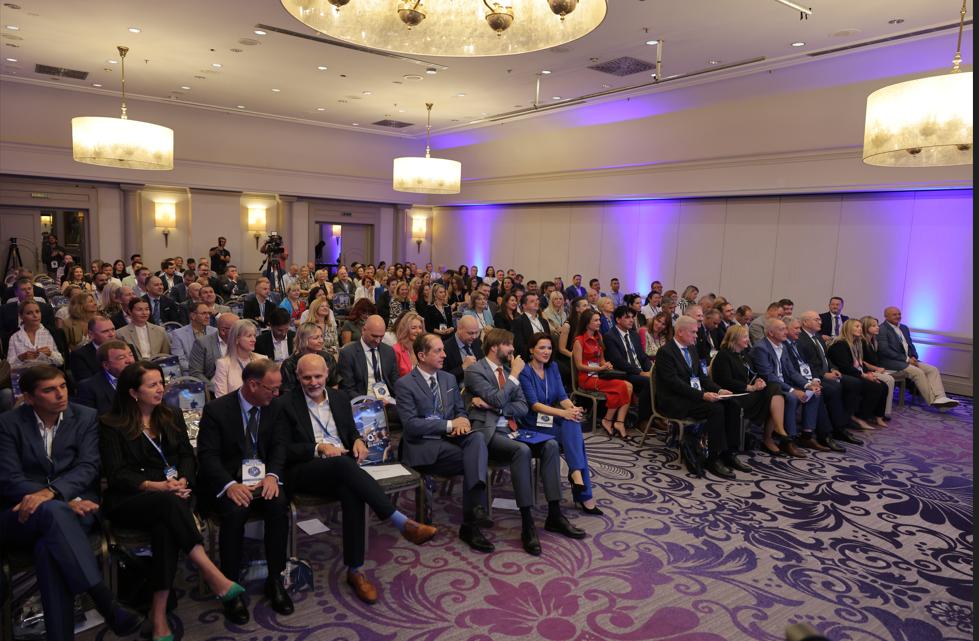
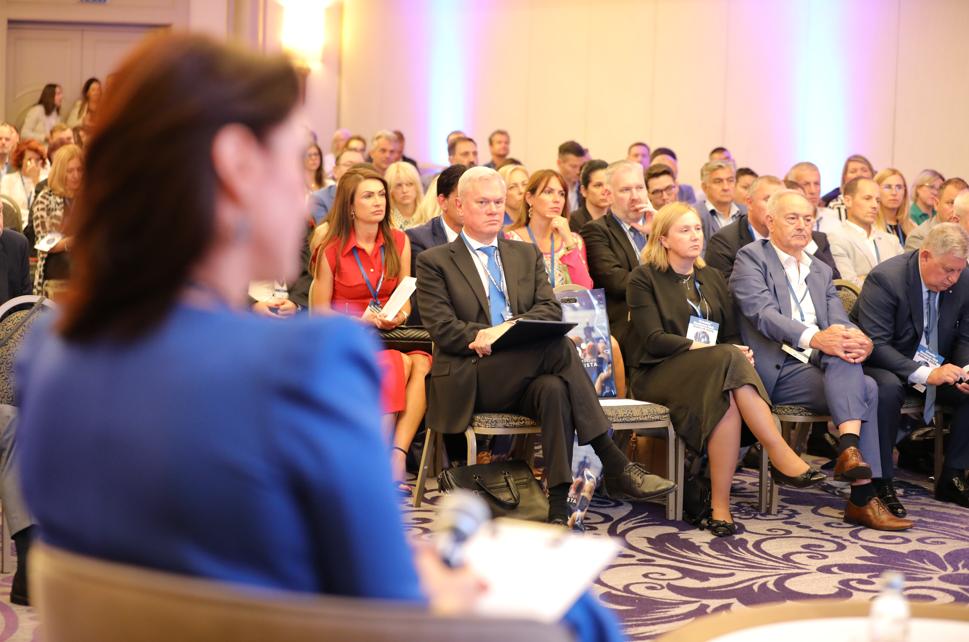
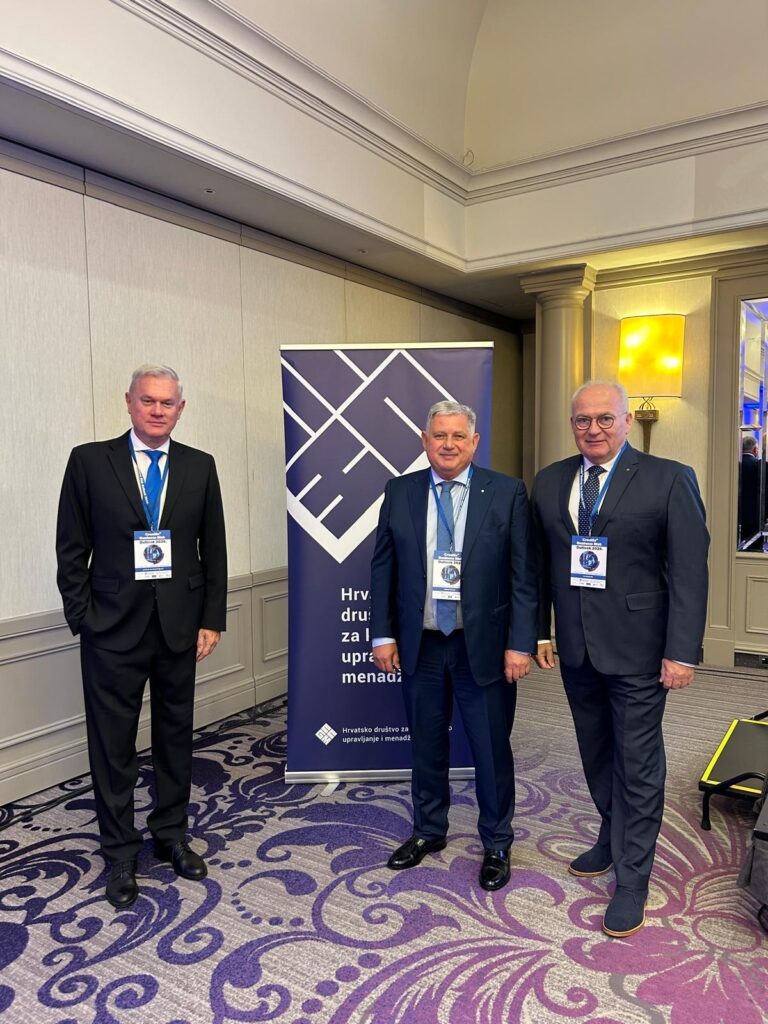
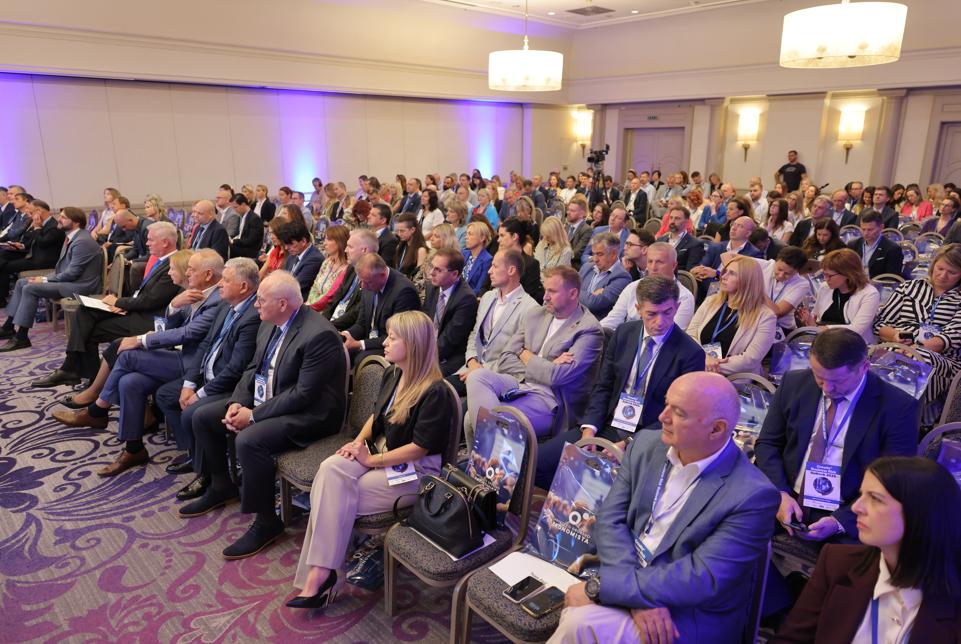
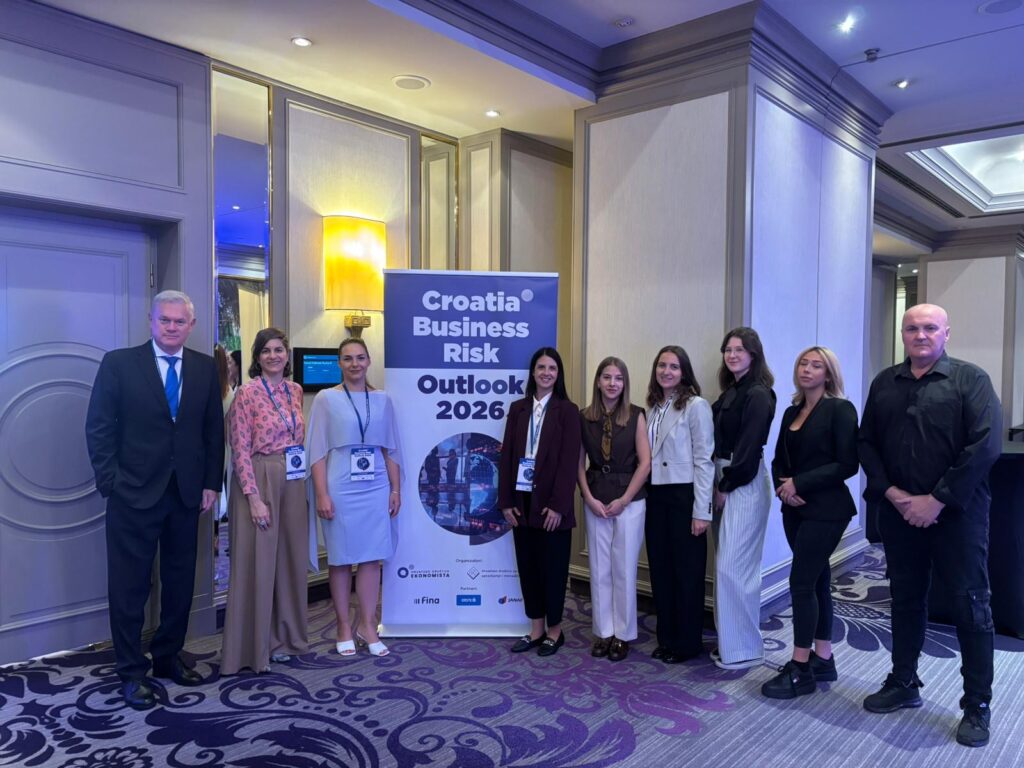
The Croatia Business Risk Outlook 2026 has reaffirmed its status as the leading annual gathering of the business community dedicated to analyzing and forecasting trends in the field of risk management. The event brought together top domestic and international experts, board members of Croatia’s most significant companies, as well as representatives of the public sector.
The conference was opened by Prof. Darko Tipurić, Ph.D President of CCGM, who emphasized the importance of integrated risk management as a fundamental tool for a stable and resilient economy. He highlighted that Croatia, thanks to its human capital, knowledge, creativity, and strategic position, has the opportunity to assume the role of regional leader in shaping new approaches to risks and opportunities.
Participants were also addressed via video message by Assoc. Prof. Marko Primorac, Ph.D, Minister of Finance and Deputy Prime Minister of the Republic of Croatia. He underlined the importance of sound corporate governance, the reform of the legislative framework for state-owned enterprises, and the role of effective risk management in the public sector, particularly in terms of transparency, sustainability, and the country’s financial stability.
Global perspectives on risks and business opportunities were presented by Prof. Danijela Miloš Sprčić, Ph.D from the Faculty of Economics and Business in Zagreb, a member of the Academic Council of the Croatian Society for Corporate Governance and Management. In her lecture, she presented three key studies on global business risks, stressing that the complexity and uncertainty of today’s business environment demand a strategic and comprehensive approach to risk management—one that goes beyond classical models and emphasizes long-term resilience and sustainability.
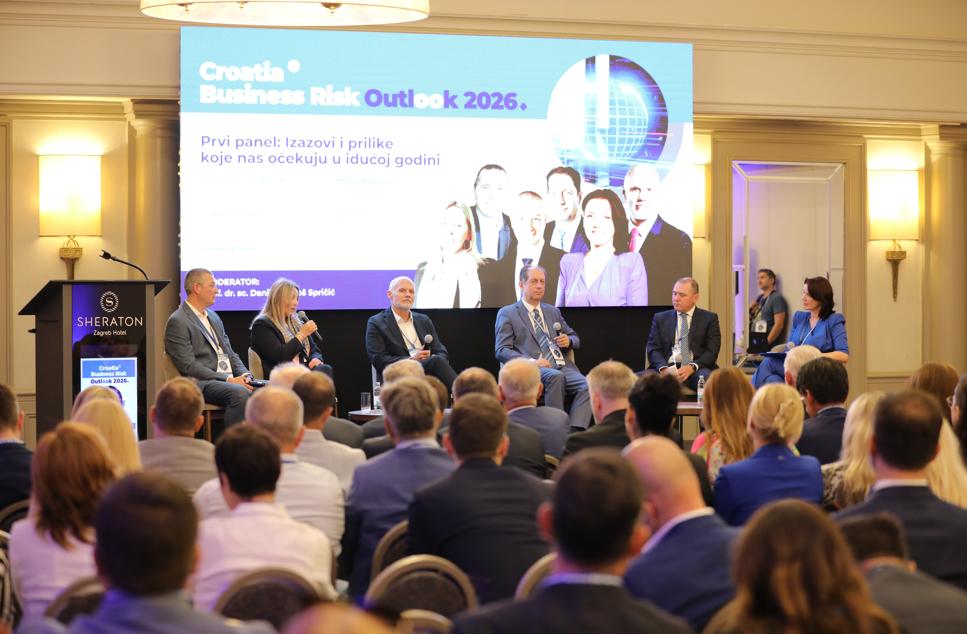
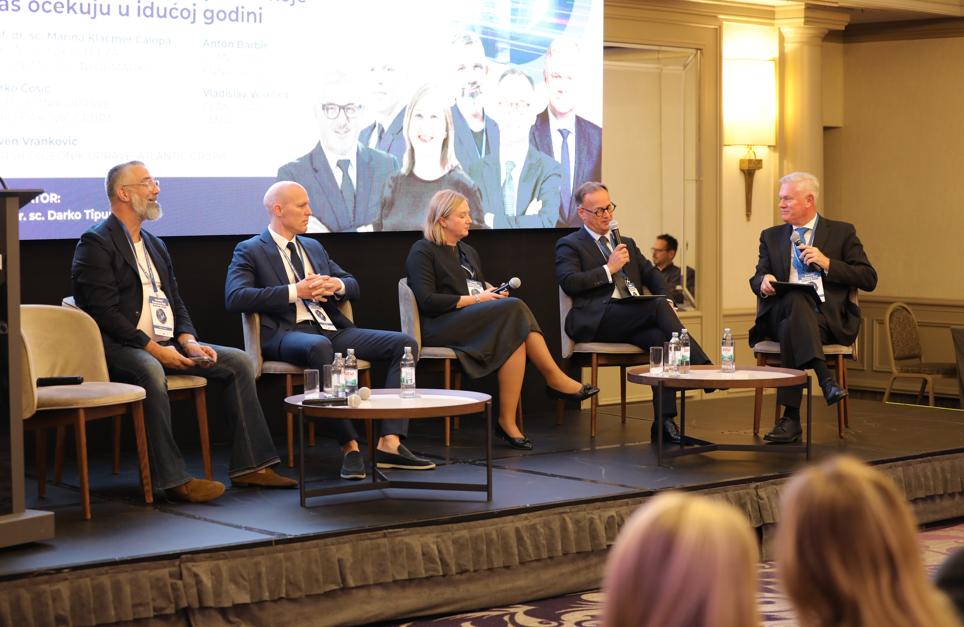
The conference also featured two engaging panel discussions. The first panel included Christoph Schoefboeck (Erste Bank), Tomislav Popović (Maistra), Ivana Čehulić (NEXE Group), Matija Kovačević (Hrvatski Telekom), and Ivan Paić (KONČAR). The second panel included Prof. Marina Klačmer Čalopa, Ph.D (FOI), Marko Ćosić (Đuro Đaković Group), Neven Vranković (Atlantic Grupa), and Vladislav Veselica (Janaf). The discussions covered a wide range of topics—from geopolitical risks, labor market dynamics, and digital transformation, to energy security and the resilience of supply chains.
History teaches us that it is precisely in times of greatest uncertainty that the most significant innovations and boldest steps forward are born. This is why it is essential to foster a culture of anticipation and forward-thinking, a culture of cooperation and responsible decision-making. Risk should not be seen solely as a threat, but also as a driver of transformation—a key part of our human and professional journey.
We live in a time of paradox: never have we had more knowledge, technology, and opportunities, and yet never have we felt greater uncertainty and fragility in the global order. Despite the numerous instruments available to help us understand the world, we have never been less certain of our own ability to forecast. This very ambiguity requires a new kind of intellectual and moral vigilance—one that goes beyond short-term answers and directs us toward deeper reflection on our shared future.
Integrated risk management today is more than a strategic necessity: it is a matter of our ability to find meaning and order in a world defined by uncertainty.